Leave a Legacy

Leave a Legacy

You don’t have to make a large gift during your lifetime to leave a lasting legacy.

Empower the next generation of students and strengthen our community's future by supporting scholarships and core programs through your estate plans.

Planned gifts offer many immediate and long-term benefits, like current income tax deductions, reduced estate taxes, and the satisfaction of making a significant and enduring contribution. A named gift can even serve as a permanent memorial to a loved one.


Dr. James M. Flynn Symposium Endowment

three women posing with symposium welcome sign

Dr. James M. Flynn was a pathologist who served as Director of Laboratories and Medical Technology at Research Medical Center for more than 30 years. Dr. Flynn was actively engaged in community service and joined The Research Foundation Board of Directors in 1996. Dr. Flynn served in various leadership roles during his 22 years of service from 1996 to 2018. His leadership helped position The Research Foundation to make a real difference in its many health education and scholarship programs for the greater Kansas City community he loved. Dr. Flynn was appointed as an honorary board member to The Research Foundation Board of Directors in 2019. He passed away in 2023 at the age of 94.

Francie remembers her husband, Jim, as a man of deep generosity and unwavering purpose. He dedicated himself to medicine, to his community, and to the people he loved.

Dr. Flynn earned his undergraduate degree from the University of Iowa in 1951. He went on to complete medical school at Iowa in 1956 — the same campus where he and Francie built the foundation of their life together. They married while they were still in school. She finished nursing school; he finished medical school. Then babies arrived and their life took on many adventures.

When Jim accepted a position at Research Medical Center, he immersed himself in community engagement. His expertise and leadership shaped organizations across the region, including The Research Foundation. Jim strengthened the foundation’s investment strategy, helping ensure long-term support for nursing and community health programs. His influence continues to shape the foundation’s work years after his passing.

Establishing an endowment for The Research Foundation’s symposium wasn’t just appropriate; it was meaningful. For Francie, the $300,000 donation is a way of expressing gratitude. She received a scholarship as a mother pursuing nursing. Jim, too, fought for his education.

“The fund seemed like the perfect way to remember Jim. This is our way of saying thank you for our education, for our careers, for the life we built,” Francie says. “He spent so many years with Research. I know he would be happy.”

The endowment supports medical professionals seeking to renew credentials and deepen their clinical knowledge. The inaugural symposium supported by the fund, the Dr. James M. Flynn Symposium on Advancing Cancer Care for Primary Care Providers, took place in spring 2026. Through the symposium, generations of medical professionals will carry on too, strengthened by the same commitment to learning, humanity, and service that defined Jim and Francie’s extraordinary life together.
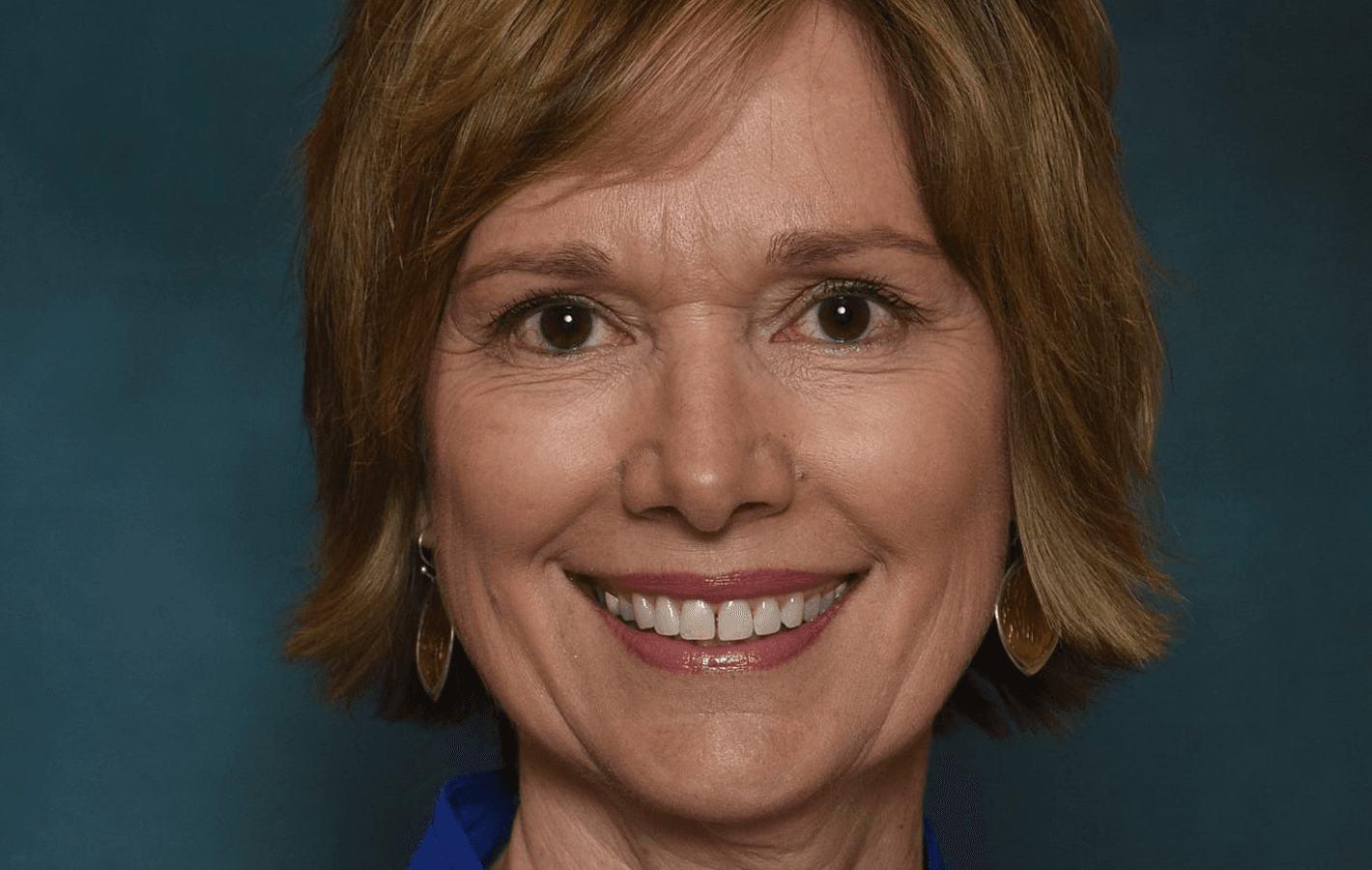
headshot of Julie Nauser

Bequests

A gift by will allows you to make a significant contribution that was not affordable during your lifetime. The simplest gift is a bequest in your will. Most bequests leave a specific amount or percentage of the donor’s estate to charity with no restrictions on how the money is to be used. Because the full value of the bequest is deductible, heirs generally escape gift and estate taxes.

"I decided to include The Research Foundation in my estate plan for several reasons. As a faculty member at Research College of Nursing, I have seen countless students benefit from scholarships supporting their educational journey. Personally, I have benefited from the financial support provided to faculty in pursuit of doctoral education. The vision of The Research Foundation – to partner for a healthy community – resonates with me as a nurse and member of the Kansas City community." -Julie Nauser, PhD, RN, CNE

More Legacy Giving

  • Stock

    By making a gift of appreciated stock (held more than one year), you can avoid or delay the capital gains tax. You may deduct the current fair market value of the stock on your tax return no matter what was originally paid for the stock. Your broker will need to the following information: NFS LLC, DTC # 0226, For the Benefit of The Research Foundation, Account # 087-594210.

  • Life Insurance

    A new or existing life insurance policy can be assigned to The Research Foundation with premium payments made as annual gifts. The result is a major gift at an affordable cost.

  • Real Estate and Personal Property

    Property may be used to fund a planned giving vehicle, or may be given outright to The Research Foundation.

  • Trusts

    A Charitable Remainder Trust can provide lifetime income to you.

  • Gift Annuities

    By making an annuity gift now, you can receive a lifetime income for yourself, a spouse, or anyone else you designate in exchange for a gift of cash, stock, or securities to The Research Foundation. At the time of your death, the gift remainder will support us.

  • IRA Charitable Rollover

    The IRA Charitable Rollover is a unique giving strategy that allows donors aged 73 or older to make tax-free charitable contributions directly from their Individual Retirement Accounts (IRAs) to qualified nonprofit organizations, like The Research Foundation.

  • Donor Advised Funds (DAFs)

    DAFs allow you to make one gift into your fund (just one receipt at tax time) and then grant support to any 501 (c) public charities you wish. Your fund can be invested and grow tax-free. DAFs are also a great way to involve your other family members in charitable giving.

  • Qualified Charitable Distribution (QCDs) & Required Minimum Distribution (RMDs)

    A qualified charitable distribution (QCD) can be a great way to reduce required minimum distributions (RMDs) and optimize the tax benefits of giving. People who hold certain types of investment accounts are required to take minimum distributions each year beginning at age 73, even if they don’t need or want the funds. For retirees who've accumulated significant savings in their tax-deferred accounts, this can have serious tax consequences. That's because the higher the balance in your tax-deferred accounts, the higher your RMDs—and potentially your tax bracket. If charitable giving is part of your financial plan, a qualified charitable distribution (QCD) can further your philanthropic goals and help reduce the tax hit from your RMD. QCDs allow individuals age 70½ and older to make tax-free donations, up to an annual limit (currently $111,000) directly from an IRA or other qualified account to a qualified charity or multiple charities, potentially satisfying all or part of their annual RMDs. As a result, donors may avoid being pushed into higher income tax brackets. A QCD doesn't offer a tax deduction, but the QCD amount isn't included in your taxable income either. In some cases, the tax benefits of a QCD could outweigh the charitable deduction you would have received from donating cash or other assets to an eligible charity. Taking your full RMD and then donating cash, could result in a higher tax bill than if you were to give through a QCD. Qualified Charitable Distributions may offer a prime opportunity to enhance your charitable giving and maximize your tax savings. To determine if making contributions through a Qualified Charitable Distribution is right for you, please consult your financial advisor or contact The Research Foundation at 816-276-4218 or info@theresearchfoundationkc.org.

Legal documents must state the beneficiary as The Research Foundation, 2316 E. Meyer Blvd., Kansas City, MO 64132. Tax ID# 43-1349021

MENU CLOSE